



Home Blog Page 197

What Your Egyptian Zodiac Sign Says About Your Life? The Accuracy Will Stun You

1

The Egyptian Zodiac is also divided into 12 signs, yet the dates and meanings associated with each sign is a bit different from what we usually refer to today. The signs were not connected to astrological signs, but rather to different gods from Egyptian mythology.

Each deity associated with a sign was a protector of those born within its timeframe. They believed that one’s destiny and personality were based on which sign they belonged to.

Here’s what the Egyptian Zodiac Signs say about your life:


The Nile (January 1-7, June 19-28, September 1-7, November 18-26)

The Nile is the only sign which is not associated with a deity, but rather the river of life which flowed through Egypt, the Nile. This sign represents new beginnings and fresh starts. Those born under this sign are passionate about life, following their hearts and making the most out of what they are given. While considered slightly impulsive at times, their wonderful and kind energy gives life to those around them, and it’s not uncommon for them to be popular among friends.

Compatible with: Amon-Ra and Set

Amun-Ra (January 8-21, February 1-11)

The second sign of the Egyptian Zodiac is Amun-Ra. Amun-Ra was one of the most well-known Egyptian deities, even coming to be worshipped outside of Egypt as far as Greece, where Amun became translated as Zeus Ammon, and then just Zeus of Greek mythology.

Those born under this sign are natural leaders. They have a magnetic confidence and people are naturally drawn to follow them. They find success in encouraging and helping others, being able to inspire world change and shine love on all who they encounter.

Compatible with: The Nile and Horus.


Mut (January 22-31, September 8-22)

Mut is the symbol for nurture, caring and mother. Those born under this sign are great supporters and parents. Unconditional love is their strongest trait, making them great mentors and healers. Also known for their practicality, careers in nursing, teaching and law. Their greatest potential exists in extending their love to encompass those around them in their communities. Their decisions of love tend to help people better than any other sign.

Compatible with: Amon-Ra and Thoth.

Geb (February 12-29, August 20-31)

Those born in the sign of Geb are naturally inclined to be kind-hearted and sensitive. Gifted with strong intuitions and empathic abilities to understand, their feelings are often easily affected by others. They care deeply for the environment, and value to preservation of nature.

Compatible with: Set and Horus.

Osiris (March 1-10, November 27-December 18)

Those born under the protection of Osiris usually have two sides to their personalities; confidence and vulnerability. The confident side has the drive and motivation to do whatever it takes to reach their dreams, and the vulnerable side comes from them living with hearts wide open. Sometimes hurt easily, they are some of the most loyal people we can meet. They are naturally resilient and can comeback after any temporary setbacks.

Compatible with: Isis and Thoth.


Isis (March 11-31, October 18-29, December 19-31)

People born under the sign of Isis tend to be direct and straightforward. They don’t beat around the bush when it comes to important matters, and they’ll also courageously protect the ones they love. They have a natural enjoyment of life, and their high energy levels are fun to be around. It’s in their nature to be dependable.

Compatible with: Osiris and Thoth.

Thoth (April 1-19, November 8-17)

Thoth was known for his wisdom, and people born under this sign are great problems solvers and are able to ‘see between the lines’ when it comes to just about anything. They often remember everything, and are fast learners. While being highly intelligent and gifted, they desire love above all else. When they become full of love themselves, the true genius of their minds is released.

Compatible with: Bastet and Isis.

Horus (April 20-May 7, August 12-19)

These people are naturally gifted with courage and bravery. There’s no such thing as failure to those born under the sign of Horus, as they know failures are really just challenges that they learn and grow from that lead them to the next level. Not afraid of taking well calculated risks in order to achieve what they desire in life, their optimism leads them to believe in successful results. When showing courage for the sake of helping others, they are great sources of inspiration.

Compatible with: Bastet and Geb.


Anubis (May 8-27, June 29-July 13)

Those born under the sign of Anubis tend to be lovers of peace who enjoy spending time in solitude. Their introspective natures help them to master the inner landscape of their thoughts and feelings, and they tend to be able to remain calm even during trying circumstances. Others sense the feelings of calm and peace when around them, making them wonderful friends to counsel during stressful times or times of need. While not usually motivated to teach others, what they have to say is quite valuable.

Compatible with: Bastet and Isis.

Seth (May 28-June 18, September 28-October 2)

Those born within Seth’s sign live in the moment and fully take advantage of life’s opportunities. They love to travel and would rather be seeing new sights and exploring than stuck in one place. Open-minded and receptive to new ideas, they make great business partners and creative artists. They tend to benefit those around them each new place they visit as well, leaving sweet memories behind.

Compatible with: Geb and The Nile.

https://www.instagram.com/p/BgsUjVdAkDK/?taken-by=understanding_compassion

Bastet (July 14-28, September 23-27, October 3-17)

People born under the sign of Bastet are intuitive and bright human beings. They can sense what is going on with other people before they are told, and sometimes give much needed help before even being asked. Balance is a key focus for them, and while able to see deeply into life, also need to keep part of their focus on themselves. Topics related to the universe and metaphysics are often of great interest.

Compatible with: Sekhmet and Horus.

Sekhmet (July 29-August 11, October 30-November 7)

Those born under the sign of Sekhmet are stable and grounded individuals. Their kind nature and solid foundation allows them to be able to do well in positions of authority. While being perfectionists, they expect a lot from others. When they are able to embrace gentleness and their heart’s natural sweet essence, the groups they lead can be of great benefit to the world. They just need to remember to stay in their hearts.

Compatible with: Bastet and Geb

See Also: Check Out Which Greek God Or Goddess You Are According To Your Zodiac Sign


How To Fall Sound Asleep Within 1 Minute

3

Many people have trouble falling asleep at night, especially when there’s a lot going on in their lives. Overthinking, stress and planning for the next day can keep our minds busy and active, and make it difficult to fall asleep. It’s recommended to plan for at least eight hours of sleep each night, and the most revitalizing hours of REM sleep occur during the 6th, 7th and 8th hours. If you aren’t able to fall asleep within a relatively short amount of time, it’s likely that you’re missing some of the important hours of rest that your mind and body need. Here are two useful skills you can learn to help you fall asleep faster and easier.

According to WebMD, sleep deprivation can impact your weight, thought process, sex drive, memory, ability to drive a car, and skin, which means it is very important that we learn how to fall asleep and that we get enough sleep each night.

Below are two exercises and skills that can help you fall sound asleep within 1 minute:


The 4-7-8 Method

The ’4-7-8′ method is a wonderful breathing technique that doctors recommend to help people fall asleep. This is how it works:

1. Breathe calmly through your nose for 4 seconds.

2. Hold your breath for 7 seconds.

3. Breathe out slowly through your mouth for 8 seconds.

https://www.instagram.com/p/Bg0uLyAg83W/?taken-by=understanding_compassion

It’s that simple. By regulating your own breathing to a pattern similar to the one your body uses during sleep, it helps bring about the associations your mind already has with falling asleep. Bringing your attention to your breath also helps slow down overthinking, and helps your mind to become calm.

See Also: Your Ideal Bedtime, Based On Your Zodiac Sign

Dr. Weil explains in this video that by repeating this breathing technique three times, you should be able to nod off in no time:


Toe Tapping

Another incredible technique for falling asleep is the toe tapping method. This is a powerful method that has helped many people who suffer from insomnia regain their ability to fall asleep:

1. While laying down, simply put your legs together.

2. Open both legs slightly so your toes point outward, then

3. Bring the toes back together, doing a light tap.

4. Continue this toe tapping, trying to tap the entire legs together while doing it. Continue doing it as long as it takes to fall asleep, possibly 100 times or more until your mind begins to rest and you fall asleep.

Here is a wonderful video that explains how to do this:

https://www.youtube.com/watch?v=NYkPGnWIcvs&t=4s


If you’ve had trouble sleeping for a while, give these two techniques some serious effort, trying every night for at least one to two months. You will undoubtedly find that it not only helps you fall asleep faster, but will experience other numerous benefits such as relaxation, becoming more calm, and muscle tension relief.

Did these techniques work for you?

Let us know in the comments.

Sleep well.

You are Loved.

See Also: 12 Natural Ways To Sleep Better At Night According To Studies And Science


Do You Wake Up Every Night Between 3 And 5 AM? You May Be Having a Spiritual Awakening

3

“The breeze at dawn has secrets to tell you. Don’t go back to sleep. You must ask for what you really want. Don’t go back to sleep.” ~ Rumi

Waking up at the same time each night without an alarm clock may be a sign that you need to pay attention to. As humans consist of the same matter and energy that flows through the entire universe, there may be subtle things happening within you that you are currently unaware of.


The morning hours are usually when our minds are at their calmest and most serene, and these are the times when the deep and quiet energy of our hearts is able to softly emerge and to express itself, and also the time when we can hear it.

According to ancient Chinese theories of Qi Energy, the energy meridians of the body are also connected to a clock-like-system that energize different parts of your body at different times of the day. When one wakes between 3am and 5am every night, it is a sign that energy in certain areas of your body connected to those meridians is blocked, weak or that new energy is trying to come through.

If You Can’t Sleep Between 9:00PM And 11:00PM

Between 9pm and 11pm is usual bedtime for most people, and being unable to sleep during this time can be a sign of stress and worries from the day. Breathing techniques, positive mantras, meditation, or muscle tension and relaxation exercises are recommended to help you sleep. The key is bringing the focus from thinking, to your body, as this promotes being able to relax and fall asleep.


Waking Between 11:00PM And 1:00AM

Ancient Chinese medicine believes that waking between 11 and 1am has to do with the energy meridian of the gall bladder, as this is when it is active. Waking up at this time each night often means there is a connection with emotional disappointment. Take some time to practice unconditional self-acceptance and forgiveness of others in order to get back to a regular sleep cycle. Begin by feeling the feeling of love in your heart, then love each part of your body, thinking to yourself, “I love my arms, I love my chest, I love my legs.” As you begin to feel the warmth and relief of tension that comes with practicing self-compassion, allow yourself to relax into it.

Then practice forgiving and letting go of anything that is currently bothering you about another person. The key to doing this on an emotional level, is bring the love you are currently feeling, towards the part of you that is struggling with the experience with another. There might be pains, hurts, and frustrations, and you need to love the ‘you’ that is within the experience of all of them. You’ll begin to feel an opening, and a letting go of the hurts and pains that are connected to another person, and at the same time your gall bladder should also be benefitting from you healing your emotions in this way. Enjoy a good night’s rest after this practice, it is quite a wonderful experience.

https://www.instagram.com/p/Bg0uLyAg83W/?taken-by=understanding_compassion

Waking Between 1:00AM And 3:00AM

This is the time and energy meridian associated with the liver. Energy imbalances connected to the liver often have to do with the emotion of anger and of having excess yang energy. Try drinking some cool water to hydrate yourself, and then begin to try and identify anywhere in your life that you are feeling angry about something or someone. Anger is often tied to our needs not being met, and the underlying feeling tends to be one where we feel hurt.

Try to understand what situation is causing the anger, and then try to understand what your genuine and valid need is. Think of a healthy and productive way in which to meet this need of yours without hurting yourself or another. Then practice self-compassion and feel love for the part of yourself that is angry, and accept your that you feeling this is Okay. As this part of yourself begins to open and soften, slowly let go of the anger, and trust that with proper planning, action, and self-care, that you will find a way to meet your needs, and will become happy again.


Waking Between 3:00AM And 5:00AM

Waking up between 3am and 5am is associated with the energy meridian that runs through the lungs and is connected to the emotion of sadness. Sometimes in the middle age range of our lives, we can feel a quiet and seemingly unexplained sadness. This sadness can be a message from our soul, saying that we have deep unmet spiritual needs; needs connected to a deep inner love and restedness within.

Often times we become so busy in our daily routines, in our careers and in our family lives, that we get distracted from and forget about the true calling of our loving hearts and our souls. Energy is never created or destroyed, so whatever energy you are now, existed before you were born, and will exist long after you’re gone, forever. It’s possible the energy of your soul that lives within your heart has certain things that it wants to accomplish. Perhaps there are certain people that it wants to help and to love. Sit in a quiet space, and with a mind as quiet as possible, listen within to the gentle whispers of your heart. You will begin to feel a gentle and very subtle movement of openness and softness deep within your heart, and you need to listen to this to find out what your soul is trying to tell you. You may experience profound confidence, relief and peace after connecting at such a deep level, and any sadness will slowly melt away.

Here is a wonderful and inspiring video created by an enlightened Qi Energy guru who has over 1 million students worldwide, ilchi Lee. Let this whimsical animation take you back to your childhood, when your heart was open and free, and you would fly on the wings of imagination:

Waking Between 5:00AM And 7:00AM

Waking at this time of the morning is connected to the energy flow in the large intestines, and also with emotional blockages. Try an ‘intestine breathing exercise’ by breathing in deeply until your lower abdomen seems to inflate, and then slowly breath out; pulling your lower abdomen in for a deep flex for a few seconds. Repeat this breathing technique until your lower abdomen and large intestine get a good workout. It may feel sore at first, but this means the blockage is clearing. After a few weeks, you’ll notice a lighter feeling of relief as your large intestine has released the blockages and associated toxins.

Concluding Thoughts

As we know that emotional problems can manifest in the body as pain and discomfort, our spirit from within our hearts can also manifest in bodily form as well; as gentleness and as love. The higher intelligence of your innermost being may be moving up into you during the early hours of the morning, causing you to wake, and carrying with it love and important messages for you to hear.

Listen to your heart, pay attention to the quiet and subtle movements of openness and softness that are trying to speak to you. Be still, listen, and you just may get a glimpse of the beautiful and profound purpose that your soul wants you to know about.

You are Loved.


8 Phrases You Should Never Use When Talking To Children, Psychologists Warn

1

When we are first born, our parents are all that we have in this world. We would not be who we are today without them.

Our parents are the first people we look to and count on for support and guidance in life. We need to feel safe and loved within their arms, and we need to feel safe within the words they use to speak to us.


We are all human, and everyone makes mistakes, yet when we are children we do not yet understand this of our beloved parents. Mom and Dad are our whole world, our creators, our heroes and protectors. They know everything and there is nothing they cannot do.

Everything that a parent does and the way they do it is observed and learned from, and this becomes the foundation of the child’s psyche, feelings and beliefs. The way we speak to our children becomes their inner voice, and helps them to understand between right and wrong.

When parents are angry and cold towards their little ones, they carry on this same behavior into adulthood, and the majority of the time they treat their children the exact same way later on. Everyone makes mistakes, it’s part of being human. If you are making one now, why not take the time to make a few adjustments for the sake of your child?

We all want our children to develop into wonderful and kind human beings, whose inner voice encourages and supports them rather than insults and criticizes them. If you use words of love, acceptance and care when talking to your child, they will take that on as their inner voice, and they will be so grateful that you instilled in them messages of love rather than an inner critic that makes them feel depressed or worthless.

These are 8 phrases you should never say to your children, no matter how angry you become or what they have done:


1. “STOP CRYING RIGHT NOW!”

You should not say this phrase to your child even if you think that there is no reason for the child to be crying. They are just children, they don’t know yet about how to control or manage their feelings, and by giving them commands to halt what is a natural and okay feeling within themselves, they can begin to internalize and incorrectly learn that it is not okay to have feelings or to be emotional. Their futures can become ones riddled with therapy and difficult relationships, as they’ve internalized and learned from an early age to suppress their honest and genuine emotions rather than to embrace and to understand them.

Here are a few phrases you can use instead that will help your child to understand their feelings and to feel loved:

“It’s okay to be sad,”
“Why are you crying sweetie?”
“I hear that you need space. I want to be here for you. I’ll stay close so you can find me when you’re ready,”
“I will help you work it out,” and
“I’m listening.”

These phrases can help to show acceptance for your child’s natural feeling, and helps to show them that you love them. They will internalize these healthy behaviors and live much healthier and satisfying lives.

2. “I AM DISAPPOINTED IN YOU!”

Parents tend to use this phrase after the child has made a mistake, has failed at something, or has done something the parent does not agree with. Usually the child is already feeling low and down about themselves and their behavior. They tend to feel judged, criticized and blamed, even when there was no intention to let you down. It’s very important to differentiate “YOU” and who the child is as a whole, from their behavior, which was a specific action. Children can begin to believe that they themselves are wrong when this type of language is used, rather than that a certain behavior was not what you wanted.


A healthy alternative could be using non-violent communication:
“When (child’s behavior)… I feel (a specific feeling)… because (describe your need and how you’ve been affected)… Would you be willing to (a specific request from you for your child).”
This form of communication allows the child to understand without feeling criticized, blamed or judged, and enables them to maintain their self-esteem while learning at the same time, rather than losing their self-esteem, which can then become internalized as lower self-confidence throughout life.

*Note: when choosing a feeling, disappointed may be the feeling at the tip of the iceberg, but the body of the Disappointment Iceberg might hold other feelings that can be healthier to use with your child. These could include sadness, hurt, or worried. The challenge is to identify the primary feeling that is being expressed as ‘disappointed’ and to replace it with one that will not harm the child.

https://www.instagram.com/p/BgPAG9NAR3O/?taken-by=understanding_compassion

3. “YOU ARE NOT [SOMETHING] ENOUGH!”

When kids are told that something they’ve done isn’t good enough, what they really hear is ‘you’re not good enough,” according to a study published in the Journal of Family Issues. By saying to your child that something is lacking in them, whether it be internally or externally, it hurts them. Most likely your intention is not to have them believe that they themselves are not good enough, but rather that a certain behavior you don’t approve of isn’t. Yet often these words communicate to them that they themselves are not good enough; it’s implied and it regularly is what the child understands. A child’s self-esteem and ability to feel loved and accepted is very strongly tied to their sense of feeling good enough, and them being enough should always be protected in your language.

Poor self-esteem can be difficult to repair and can follow a child for life, so any language that creates it should be addressed soon. Try encouraging your child towards a good behavior rather than condemning them for an undesirable one. Recognize what they did right, even if it was something small, or recognize something they’ve done well in the past and reflect on how they might be able to do it again. If you’re wanting to encourage a different behavior, try:
1. Being a role model of the desired behavior.
2. Show your child how you feel, as compassionately as possible.
3. Catch your child being ‘good’ by giving positive feedback and rewards when they are behaving in a way you like.
4. Connect with your child on their level by listening actively.
5. Create an environment for good behavior.
6. Keep your promises and
7. Choose your battles wisely.


4. “BIG BOYS/GIRLS DON’T GET SCARED.”

All humans regardless of their age get scared; babies get scared, children get scared, teens get scared, and even adults get scared. Telling your child not to be afraid does not make their fear go away. Encourage your child gently to face their fears through understanding, always starting small in environments where they can feel safe. Understand your child’s fear, talk to them and let them share their fear with you. A child’s mind often works a bit differently than an adults and that’s okay. The key is that you’re willing to show them that you care and that you’re here to support them while they work their way through it.

WikiHow made a wonderful guide on how to help your child overcome their fears that can be found here.

https://www.instagram.com/p/Bf9-nPOD-kL/?taken-by=understanding_compassion

5. “WHAT IS WRONG WITH YOU!”

What’s the problem with saying the phrase, “What is wrong with you?” to your child? Nothing, if your tone is compassionate and you are genuinely wondering if they want to share their feelings with you.

But that is far different from what we hear all too often when a parent is exasperated with a child, putting their hands on their waist in a frustrated desperation and asking this question. Then it becomes a question that indicates a defect in the child’s being. Avoid globalizing statements that can generate shame towards their entire being and leave them emotional scars for years to come.

There are no perfect parents, but we’re always learning how we can better love our children. Instead of using this phrase, try speaking with them about a specific behavior that you are concerned about, so that they can understand that it is the behavior rather than who they are as a person that is troubling you.

For example, lets say your child is in a hurry and is not paying attention, then accidentally breaks something. You are hurried, rushed, and stressed yourself, yet instead of letting the damaging words ‘What is wrong with you?’ come out of your mouth, try a new approach: Be direct but also instructive: “Honey, let’s slow things down. It’s OK, we’re both rushing here and I know you did not do that on purpose. Next time, just tell Mom or Dad that you are feeling rushed, stressed, or upset and we can discuss it, and we can also remember to slow down and to take our time. Together let’s figure out what to do.”


6. “YOU ARE A BAD KID!”

You should never make your child feel like they are bad as a whole. It really can do lasting damage and simply isn’t true. Instead again focus on the specific behaviors, being clear about which behaviors and actions bothered you, without making judgmental statements about the child. We all make mistakes, and it doesn’t mean that we are terrible people. It means we are human, or simply just innocent children experimenting, playing, and learning.

If you came back into your child’s room after a short break and found that they have colored all over the walls with crayons, take a second to calm yourself, and then calmly prepare how to proceed: your child’s emotional health is worth more than this wall. Be clear with the child where it’s acceptable to draw and where it isn’t, and repeat these guidelines often, while removing anything they use to draw when they do draw inappropriately. Also make sure they are given plenty of opportunity to draw creatively on drawing pads, coloring books, and even on creative playmats.


7. “I DO EVERYTHING FOR YOU!”

Naturally, this is one aspect of being a parent, you tend to need to do most everything for them. Yet this isn’t a reason to hold it over their head as a way to elicit guilt and submission. Parenting can be difficult and often times children are not grateful for how much you do, but give it time, they eventually will be deeply, deeply grateful for your love.

8. “YOU’RE FAT.”

A 2013 study published in Jama Pediatrics found that:
“Mothers and fathers who engaged in weight-related conversations had adolescents who were more likely to diet, use unhealthy weight-control behaviors, and engage in binge eating… Parent conversations focused on weight/size are associated with increased risk for adolescent disordered eating behaviors, whereas conversations focused on healthful eating are protective against disordered eating behaviors.”

Telling a child they’re fat is not a healthy way to deal with a child’s natural weight, but rather can lead to a load of emotional and mental problems early on and later in life. Love your children for who they are, and accept them regardless of their weight or appearance. If your child’s weight is a legitimate health concern as mentioned to you by your doctor, try engaging in physical activity together with them, and provide healthy meals with lots of vegetables.

Children are perfect just the way they are, as you well know in your heart, and your dedicated practice to using language that helps them develop into a kind and loving human being will help them shine for years to come.


How To Make A Detox Foot Soak At Home To Help Flush Out Toxins

0

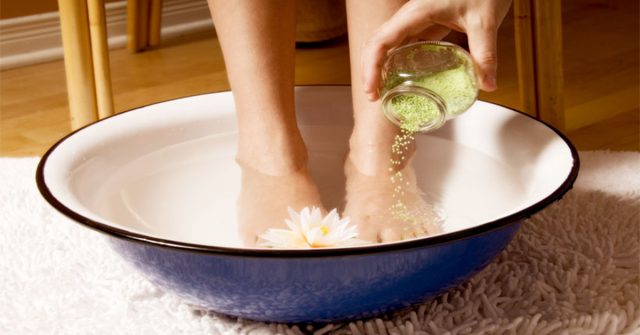
Staying healthy is one of the most important things we can do in order to live happy and satisfying lives. A foot detox is designed to release harmful chemicals and toxins from your body, which the Center for Disease Control cites as the cause for 85% of all illnesses (Gould, 2016). Certain age-old healing techniques have shown us that modern medicine hasn’t yet learned everything, and that there still exist many natural and easy ways to get healthy naturally.

Here is how you can make a detox foot soak at home to help flush out toxins:


First you’ll need a few ingredients:

Epsom salt


Epsom salt is a well known wellness product and is distilled from mineral rich water. It’s been reported to help with conditions such as arthritis, joint pain, sore muscles and some skin disorders. It also can also help fight off unwanted bacteria and fungus.

Baking Soda


The sodium bicarbonate helps to eliminate toxins from the feet. It’s no secret that baking soda is amazing for removing odors, and this wonderful ingredient is going to leave your feet feeling fresh and healthy.


Castor Oil


Rich in minerals, vitamin E and unsaturated fatty acids, castor oil is a great tool for taking care of your feet. Being used as a common remedy for athlete’s foot, castor oil also has anti-bacterial and anti-fungal properties.

Water

Use either warm or hot water to bring all of these ingredients together for your healing and enjoyable foot soak. Soaking our feet hydrates and opens the pores in our feet, allowing for the release of harmful toxins and the absorption of beneficial minerals.

Here is how much of each ingredient you’ll need for your foot soak recipe:

Epson salt: 2 tablespoons
Baking soda: 2 tablespoons
Castor oil: 10 drops
Water: 5 to 6 liters

How To Create This Warm And Healing Foot Bath:

1. Pour the five to fix liters of warm water into a bowl that can fit your feet comfortably.
2. Add the Epsom salt, baking soda and castor oil.
3. Mix the ingredients for 20 to 30 seconds.

After everything is mixed together, place your feet in the bowl and let them soak for between 20 to 30 minutes. Afterwards, you can just dry with a towel and you’re done!


Using a foot soak not only helps to clean the toxins from your body, but it can also serve as a wonderful way to relax after a long day at work. We often stand on our feet and walk for long periods of time during the day, so this gives these hardworking muscles a chance to release and relax. The feet are also connected to many acupressure points, and when soaking them in an enjoyable warm or hot foot soak, many other connected parts of your body also get the chance to relax.

Here are a few other recipes you can enjoy to vary your foot soaks:

The Clay Bath

2 Tbsp. of bentonite clay
½ Cup of Epsom salt
1 Tbsp. apple cider vinegar
Essential oils (optional)

The Vinegar Soak

1 Cup of Apple Cider Vinegar
5 to 6 Liters of Hot Water

The Lemon Soak

1 Cup of lemon juice
1 Tablespoon of olive oil
1/4 Cup of Milk

The milk in the lemon soak provides protein, the oil provides moisture and the lemon gives a pleasant fragrance and healing antioxidants.

See Also: How To Clear Out A Sinus Infection Within Minutes With Apple Cider Vinegar!

https://www.instagram.com/p/Bf96VqoDqr4/?taken-by=understanding_compassion

Enjoy taking care of your feet with these wonderful foot soaks, and we wish you a beautiful and healthy week! You are loved.

Sources
Gould, D. P. (2016, August 31). Foot Detox: Healing or Hype? Retrieved March 2018, from BlackDoctor.org: https://blackdoctor.org/506483/do-foot-detoxes-really-work/
https://www.powerofpositivity.com/detox-foot-soak-flush-toxins/
http://www.womenworking.com/5-detox-foot-soak-recipes-flush-toxins/